Sauna & Steam Room Protocols: How Smartmak Helps Create the Ultimate Wellness Flow
Introduction
You know that fuzzy, post-spa feeling? The one that makes your shoulders drop a half-inch and the world seem a little softer? That warm, breathable calm usually comes from a smart sequence of heat, humidity and cooling — not random hopping from one room to the next. Getting the order right boosts benefits, limits risk, and makes guests want to come back. For operators, it’s operations, flow, and ROI. For you? It’s the difference between “meh” and “wow.”
Below, we walk through the science-backed why, the how (timings, safety, and the fun stuff), and the practical role Smartmak products can play when you’re designing a modern customsauna + steam offering.
Understanding the Core Differences Between Sauna and Steam Room
Dry heat vs. moist heat
Sauna:High temperature (roughly 70–100°C) with low humidity — that dry, radiant heat that makes you sweat buckets. Saunas can feel much hotter because the air is dry.
Steam room:Lower air temperature (about 40–50°C / 110–120°F) but almost 100% humidity; the air feels dense and moist, and you’re literally surrounded by steam.
Physiological responses
Saunas push circulation and deep sweating — think: increased heart rate, vasodilation, metabolic activation. There’s also epidemiological data linking regular sauna use with lower cardiovascular risk.
Steam rooms hydrate the airways and skin, loosen mucus, and can feel gentler on breathing while still promoting sweating and relaxation.
Experience and preference Some people swear by ending on steam to leave skin plump and sinuses clear; others love finishing with dry heat to feel calm and drowsy. Both are right — it’s about goals.
Sauna or Steam Room First? The Ideal Sequence Explained
Short answer: Start with sauna, follow with steam, but there are useful variations depending on goals. Why sauna → steam works well
Start dry heat to raise core and peripheral temperature, increase circulation, and loosen muscles. This “deep heat” phase primes you for the humid phase that follows.
Move to steam to gently rehydrate the skin and open airways while remaining warm — a softer landing after the more intense dry heat. The moist air soothes and feels restorative.
Alternative orders for special needs
Relaxation (slow wind-down):Begin with a shorter steam session, then finish with a brief sauna to close pores and create that drowsy finish.
Detox/recovery:Longer sauna first for sweating and muscle relaxation; steam afterward to hydrate and calm airways.
Athletes:Alternating short stints between sauna and steam — or using contrast therapy with a cold plunge in between — can help recovery and circulation. (More on contrast below.)
Crazy, right? Running late, the idea still stuck.
Designing an Effective Sauna & Steam Room Routine
Here’s a practical, easy routine you can print and stick behind the front desk. Recommended timing & frequency
Sauna:10–15 minutes (beginners: 5–10 minutes). Experienced users sometimes go longer, but 15–20 minutes is a commonly recommended cap per session.
Rest + hydrate:5–10 minutes. Sit, sip water or an electrolyte drink.
Steam:5–10 minutes. Keep it shorter if humidity feels intense.
Repeat once(optional) or finish with cooling phase.
Quick checklist for safety & best practice
Post signs with maximum recommended timesand hydration reminders.
Screen patrons for contraindications (cardiovascular issues, pregnancy, certain medications). If they’re unsure, tell them to ask a clinician.
Encourage slow exits to avoid fainting.
Avoid alcohol before or during sessions.
Table: Quick compare & routine at a glance
Step
Sauna
Steam
Typical temp
70–100°C (160–212°F).
40–50°C (110–120°F) with near 100% humidity.
Typical session
10–15 min
5–10 min
Feels like
Dry, intense sweat
Moist, skin-softening
Best for
Circulation, sweat detox, warming muscles
Hydration, airway relief, skin comfort
The Cooling Phase: Why It Matters (and a bit about cold plunges)
A planned cool-down between or after sessions does more than “wake you up.” Cold exposure (a cold shower or plunge) helps with circulatory rebound, reduces inflammation, and is commonly used in contrast therapy to accelerate recovery. The evidence for cold-water immersion shows potential benefits for inflammation, mood and recovery — though practice should be controlled and medically screened for vulnerable folks. Pro tip for facilities: offer cold showers or a plunge pool and clear instructions — this ups the experience and keeps guests safe.
Facility Planning and Smartmak’s Role in Sauna & Steam Room Integration
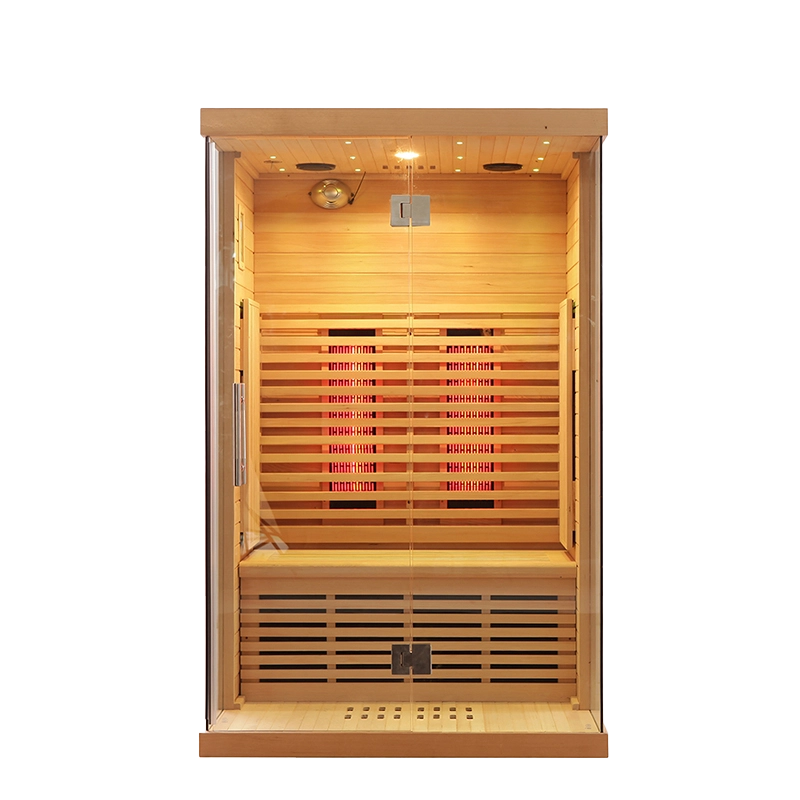
Seamless pairing for wellness spaces More modern wellness centers want a single “heat zone” that houses both dry and wet heat options. Smartmak builds both infrared and steam-sauna solutions and positions itself as a supplier for integrated wellness layouts — from portable home steam units to full wooden steam-sauna rooms for multi-person use. Their product line emphasizes controllability (temperature/humidity), and turnkey solutions for operators. Why operators like Smartmak
Precision controls:Smartmak units advertise digital control over temperature and steam output, which helps staff standardize protocols and reduce guest confusion.
Modularity & scalability:They offer portable modules (for boutique studios) and larger built units (for resorts), simplifying installation and reducing downtime compared to bespoke, on-site builds. Alibaba and product listings show pre-built cabins and modular steam units aimed at B2B buyers.
B2B advantage
Faster rollouts.
Standardized parts and service support.
Ability to offer preset programs (e.g., “Detox 30,” “Relax 20”) that guests can choose from via touch panels or apps.
Enhancing user experience and business value A well-curated sauna+steam pairing does two things: 1) it increases guest satisfaction (repeat visits), and 2) it generates ancillary revenue (premium sessions, contrast add-ons, membership tiers). In short: better flow, happier guests, higher lifetime value.
Customizing Protocols for Different User Goals
A few ready-made protocols that you can offer as presets:
Relaxation & wind-down (45 min):Steam 8 min → Rest 5 min → Sauna 12 min → Cool shower 3 min → Quiet lounge. (Start gentle.)
Detox & recovery (30–40 min):Sauna 15 min → Cold plunge 1–2 min → Steam 8 min → Hydrate. (For athletes.)
Corporate/Busy-person shortcut (20 min):Sauna 10 min → Quick hydrate 2–3 min → Steam 5 min. Fast, efficient, effective.
(Operators: label these on your booking app. Guests love choices with clear outcomes.)
Light Expert Notes & Quotes
“Keep it short — start small and build up,” advises clinicians who study heat therapy; a common recommendation is to cap most sauna sessions at about 15–20 minutes and to hydrate before and after.
Epidemiological work from Finland links regular sauna bathing to lower rates of cardiovascular events — which is compelling for long-term programming, though individual medical advice remains essential.
FAQ
How long should I stay in the sauna before going into the steam room? Aim for 10–15 minutes in the sauna (beginners: 5–10), then hydrate and spend 5–10 minutes in steam. Adjust by tolerance. Can I alternate between sauna and steam multiple times in one session? Yes — short repeats can be used for recovery or performance protocols. Keep each stint short and include cooling/hydration breaks. Is there any risk to using both sauna and steam on the same day? For most healthy people, no — but risks include dehydration, lightheadedness, and cardiovascular stress for those with preexisting conditions. Screen patrons and use posted limits. How do gyms and spas decide sauna vs. steam room placement? Think guest flow: place wet and dry heat within the same “heat zone,” near cooling facilities (showers/plunge), and close to relaxation lounges. Modular Smartmak units make this easier for retrofits.What’s the best routine for beginners using both sauna and steam? Start tiny: 5–7 minutes sauna → hydrate → 3–5 minutes steam → cool down. See how you feel. Build gradually.
Conclusion
Think of the sauna as the orchestra warming up — big brass, intense energy — and the steam room as the violin section that melts the final melody into something soft, humid and human. Sequenced well, the two don’t clash; they harmonize. For operators, using controllable, modular hardware (like Smartmak’s range) means you can design predictable, safe, and repeatable flows that guests actually follow — which, frankly, is the secret sauce to a sticky wellness business.
Smartmak Knowledge Team Introduction
The smartmak Knowledge Team works closely with production lines, product development, and other departments, and has many years of product experience. The smartmak Knowledge Team is dedicated to providing high-quality knowledge support to buyers and distributors.